When it comes to protecting steel and iron components from corrosion, the hot dip zinc coating process , also known as hot dip galvanizing, is one of the most effective and widely used methods. From construction materials to fasteners, pipelines, and heavy industrial structures, this process provides long-lasting protection and durability.
In this blog, we’ll explore what hot dip zinc coating process is, how the process works, its benefits, and why industries continue to rely on it for corrosion resistance.
What is Hot Dip Zinc Coating?
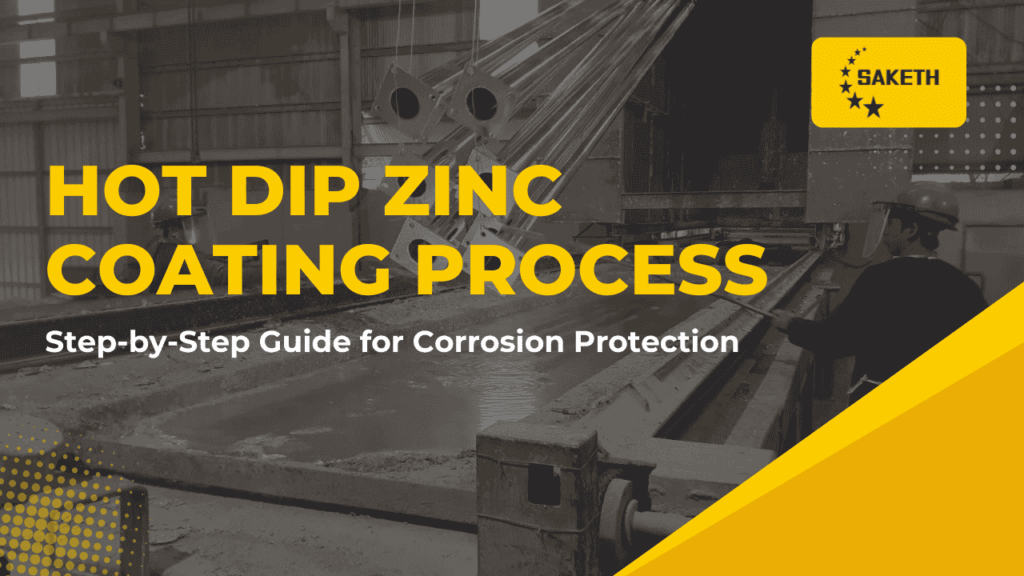
Hot dip zinc coating is a process where steel or iron components are immersed in a bath of molten zinc, forming a metallurgical bond between the zinc and the base metal. Unlike paint or electroplating, which form a superficial layer, hot dip galvanising creates a multi-layered zinc-iron alloy coating that is highly durable.
This coating acts as both a barrier protection and provides sacrificial protection, meaning zinc corrodes before steel does, ensuring the base metal stays intact.
Step-by-Step Hot Dip Zinc Coating Process
The process of hot dip galvanising involves several stages to ensure strong adhesion and maximum protection:
1. Surface Preparation
Before dipping, the steel surface must be thoroughly cleaned. This includes:
- Degreasing: Removal of oil, grease, and dirt using alkaline cleaning solutions.
- Pickling: Removing rust and mill scale through an acid bath, typically hydrochloric or sulfuric acid.
- Fluxing: Applying a flux solution (usually zinc ammonium chloride) to prevent oxidation before dipping.
Proper cleaning is crucial because any contaminants can prevent zinc from bonding effectively.
2. Immersion in Molten Zinc
The cleaned and fluxed steel is dipped into a bath of molten zinc at around 450°C (840°F).
- The steel reacts with the zinc, forming a series of zinc-iron alloy layers.
- The outermost surface solidifies as pure zinc, creating a shiny, protective finish.
3. Cooling & Finishing
Once removed from the bath, the coated component is cooled in water or air. Excess zinc is drained off, and the part is inspected for coating thickness, uniformity, and surface finish.
Applications of Hot Dip Zinc Coating
Hot dip zinc coating is used in a wide range of industries:
- Construction: Structural beams, guardrails, scaffolding, fasteners
- Infrastructure: Bridges, highways, water pipelines, transmission towers
- Automotive & Railways: Components exposed to harsh weather
- Agriculture: Fencing, irrigation pipes, grain storage silos
- Energy Sector: Wind turbines, solar panel supports, oil & gas platforms
Benefits of Hot Dip Zinc Coating
- Superior Corrosion Resistance – Provides decades of protection, even in coastal or industrial environments.
- Complete Coverage – Protects both external and internal surfaces, including edges and corners.
- Cost-Effective – Lower maintenance costs over the product’s lifespan compared to painting.
- Tough and Durable – Resistant to mechanical damage, abrasion, and weathering.
- Environmentally Friendly – Zinc is natural and recyclable, making the process sustainable.
Hot Dip Zinc Coating vs Other Coatings
- Electroplating: Provides a thinner layer, suitable for small fasteners but less durable in harsh conditions.
- Paint Coating: Offers only barrier protection; once scratched, rust can spread.
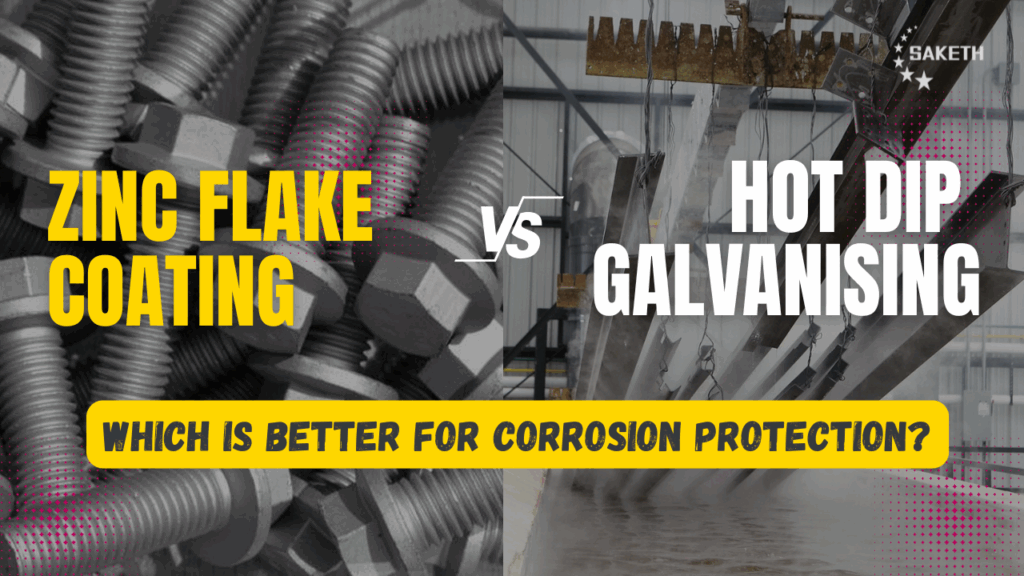
- Zinc Flake Coating: Thin, high-performance coating used in automotive fasteners, but more costly for large structures.
Hot dip zinc coating remains the preferred choice for large, structural applications due to its longevity and reliability.
Conclusion
The hot dip zinc coating process is one of the most trusted methods for protecting steel and iron from corrosion. By forming a strong zinc-iron bond, it ensures decades of durability, reduces maintenance costs, and supports industries where safety and longevity are crucial.
At Saketh Sevvenstar Industries Limited (SSSIL), we specialize in advanced coating solutions, including zinc flake coating and hot dip galvanising, ensuring your components meet global quality standards.
Looking for long-lasting protection for your fasteners or structural components? Contact us today to discuss the right coating solution for your project.